


Rebuilding Route 29
The Community Connectors project in Trenton, NJ, focused on reconnecting residents with the Delaware River by mobilizing community members and government decision-makers to rebuild NJ 29 from a limited access state highway to an urban boulevard.
The

Trenton is a small, densely-populated city of 90,000 primarily Black and Hispanic/Latino residents (43% and 45% respectively) [1]. The median household income in Trenton ($39,700) is half that of Mercer County ($85,700), and a third that of Mercer County towns excluding Trenton ($114,000); 55% of residents are low income, and 33% of households lack vehicles (ACS 2021 5-year estimates) [2].
With its Sanctuary City status, it has a growing migrant population. Immigrant communities, primarily Guatemalan, have been associated with the revitalization of commercial corridors.
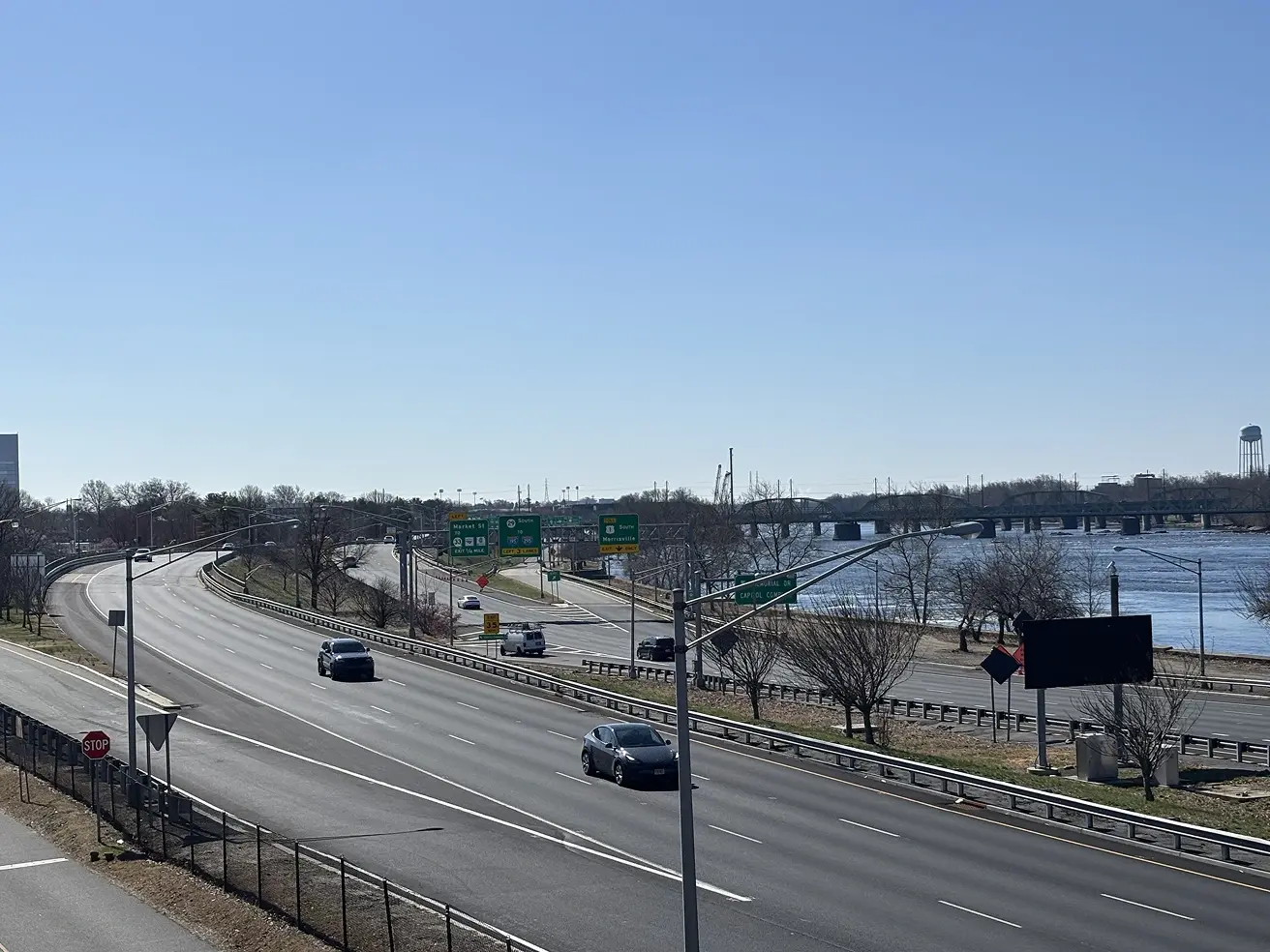
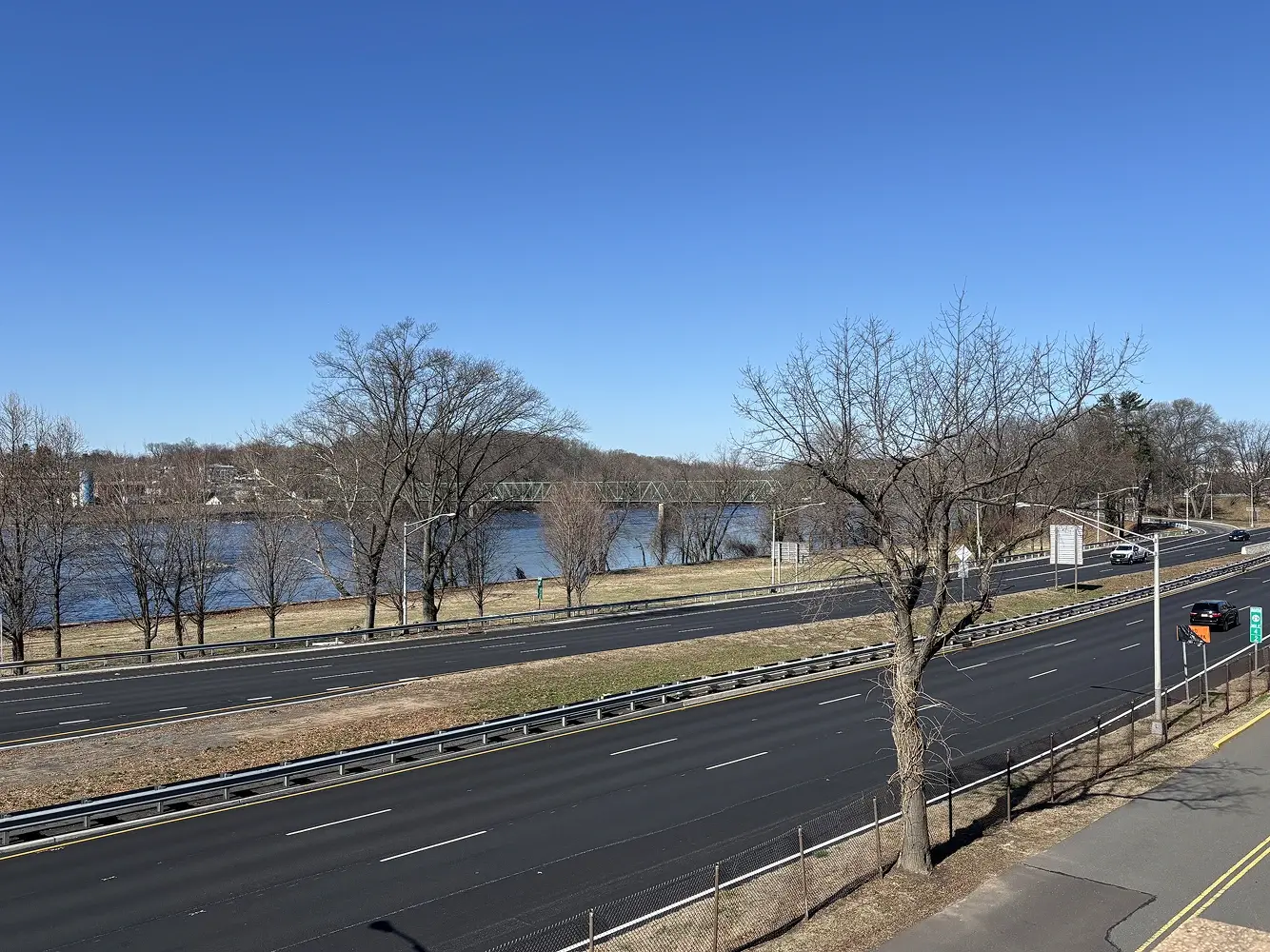
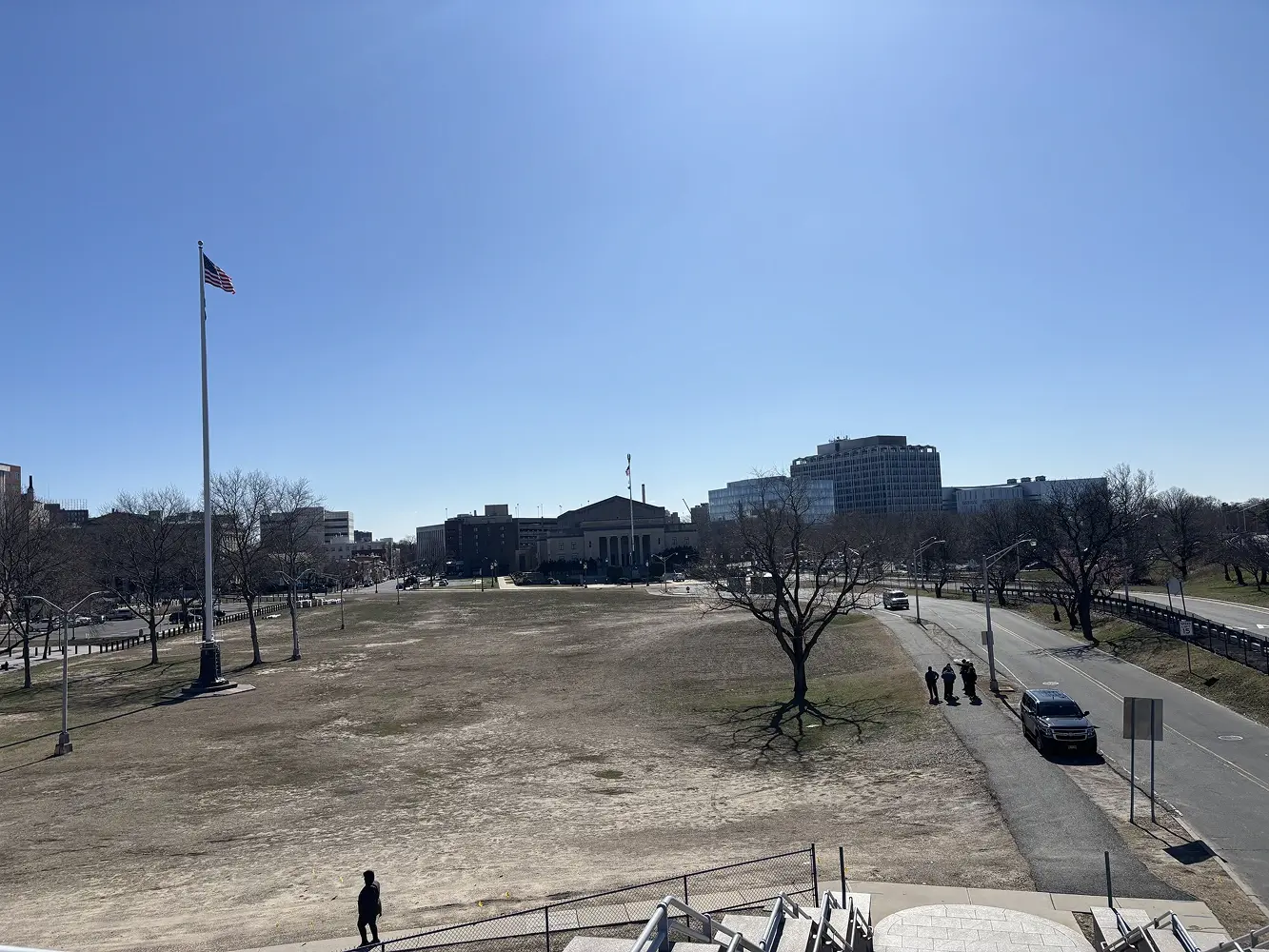
The project focuses on the downtown Trenton portion of Route 29, a limited-access highway along the Delaware River that runs from Trenton to suburban and rural communities in Mercer and Hunterdon Counties. It includes the New Jersey State Capitol Complex, Trenton’s historic downtown, 70 acres of urban renewal areas that are now primarily State-owned offices and parking lots, and the residential neighborhoods adjacent to downtown and in Trenton’s West Ward.
The

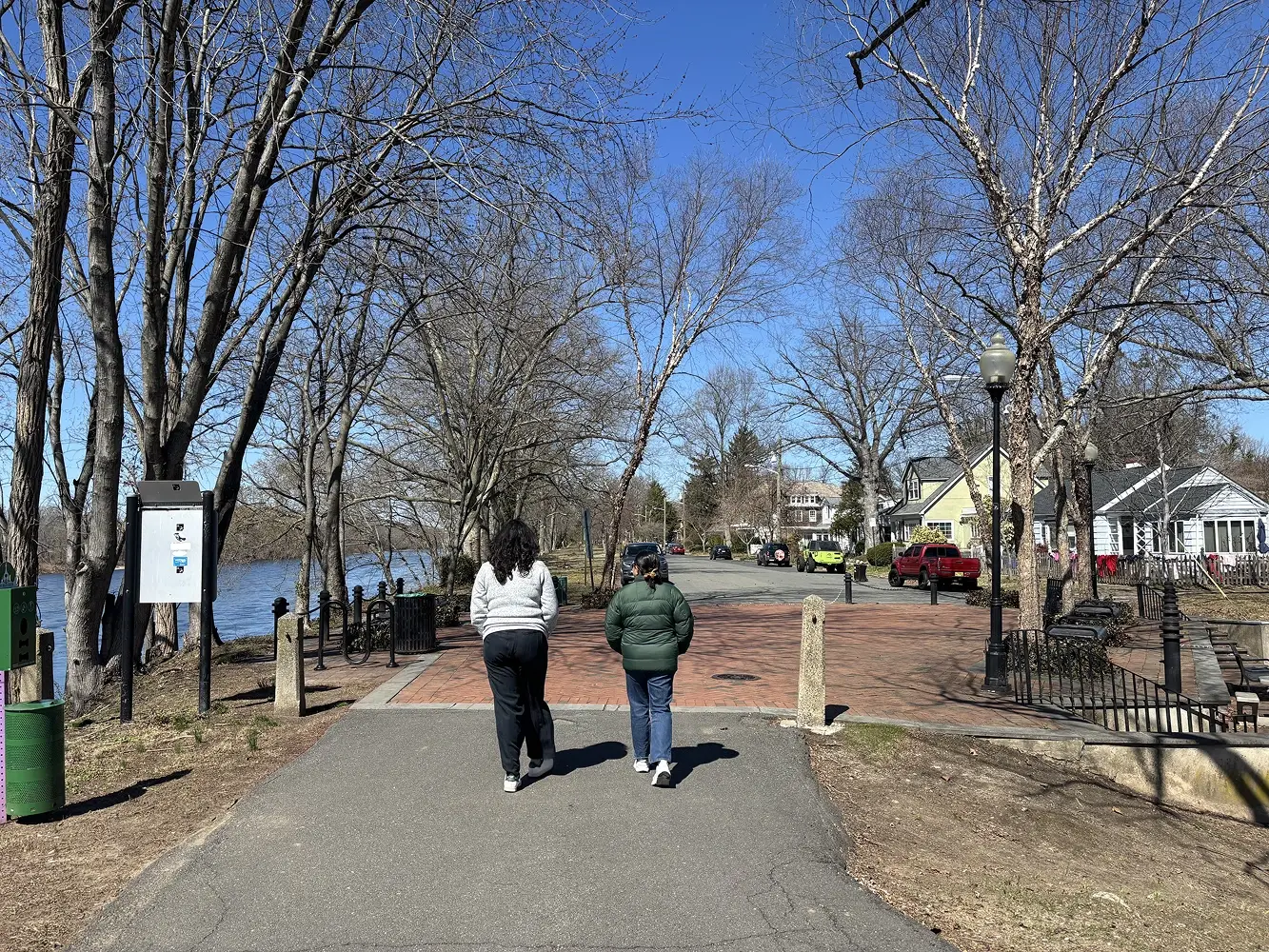
Construction of the Route 29 highway disconnected city residents from water and green spaces. The highway connects the city to suburban and rural communities, but cuts off city residents’ access to the Delaware River and has replaced a local park.
Several factors unique to Trenton have made it especially difficult to address its challenges. Its small size and multiple commuter-centered highways (Route 29, Route 129, Route 1) mean that “driving just a few minutes in any direction gets you to a much nicer place”, as one community member put it, which has made it difficult for the city to capture investment.
Moreover, Trenton is the seat of both the State and Mercer County governments, and a very large portion of Trenton’s land area is owned by the State or County even compared with other capitals (33% of the downtown and 9% citywide). The State thus has an unusually large presence both in land use decisions around the Boulevard project – beyond the typical jurisdictional issues common with highways – and in economic and development decisions in downtown Trenton generally.
The

A proposal to rebuild Route 29 into a boulevard that reconnects the community with the Delaware River had broad support since 2009, yet momentum stalled repeatedly. The Community Connectors project aimed to mobilize residents and decision-makers at all levels to ensure that the boulevard is prioritized, resourced, and built.
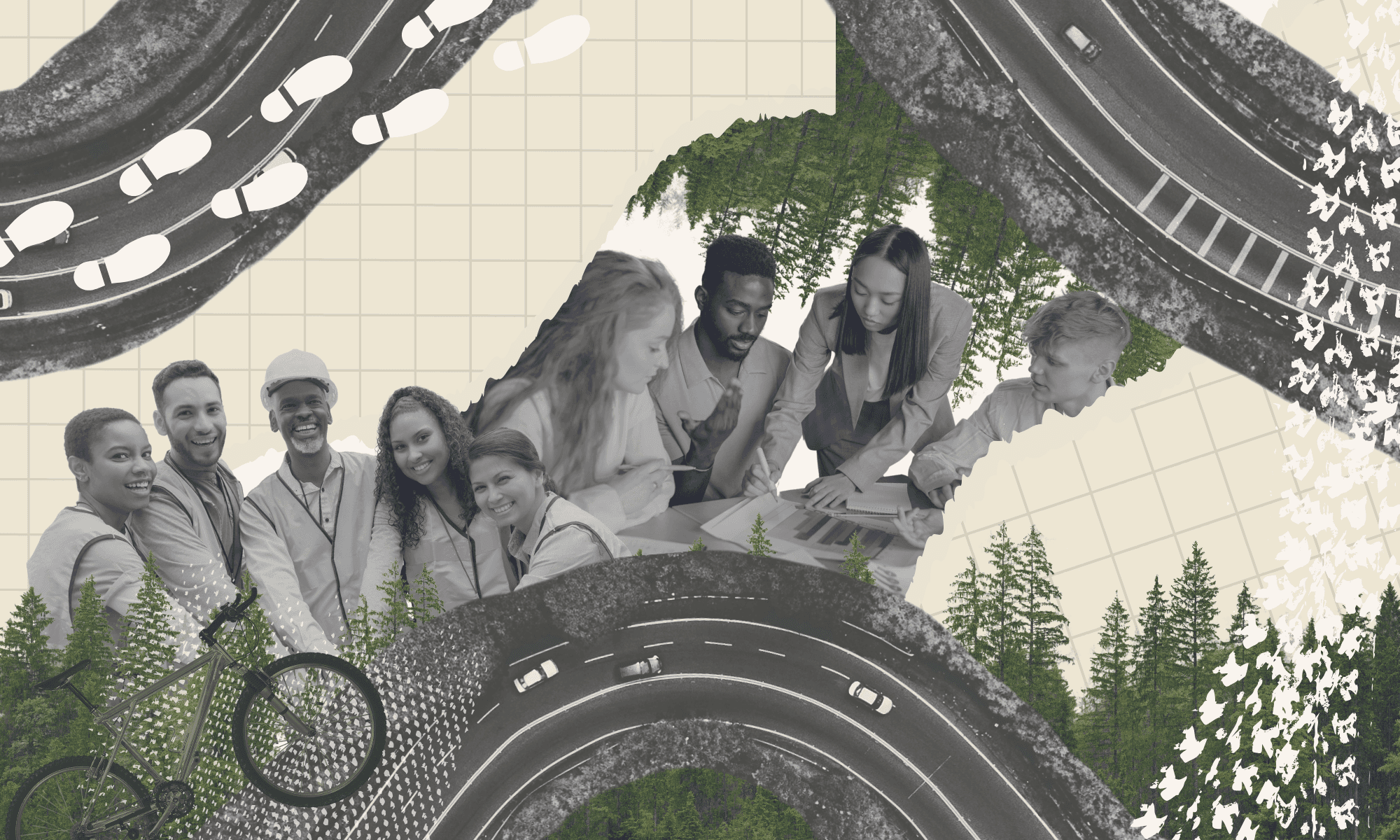
The project created a grassroots and grasstops campaign to mobilize community members and effectively interface with government decision-makers to take the Route 29 Boulevard project from concept to completion. The Community Connectors team created and operationalized the infrastructure for this campaign and secured necessary resources, so that the campaign can be sustained after the grant period.
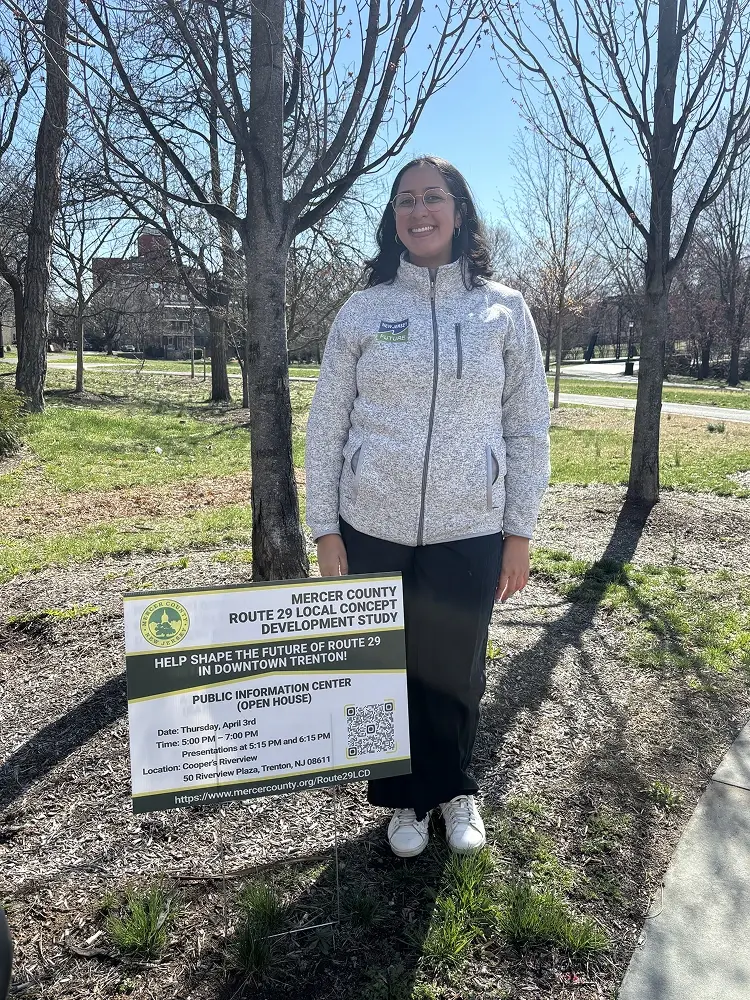
In 2026, the Route 29 Local Concept Development Study reached an important milestone. After multiple rounds of technical analysis and several community engagement sessions, the project team is refining a preferred project alternative, which is expected to be publicly available in Q2 2026.
Community input gathered through meetings, walking tours, and public comment periods has played a key role in shaping the alternatives under consideration and ensuring that safety, access to the riverfront, and long-term economic opportunity remain central to the discussion.
As the project moves forward, the next phase will focus on continued advocacy and engagement as the County advances into preliminary engineering and begins identifying funding sources needed to bring the project to fruition. Stakeholder involvement will remain critical as planning transitions from concept to implementation.
For more information, check out the Reconnecting Trenton’s Riverfront website, our campaign video, and subscribe to our mailing list, and follow us on social media @ReconnectingTrenton on Facebook, Instagram, and LinkedIn.




Mobility Legacies
Trenton, New Jersey
This city's local history offers critical context for the current circumstances and ongoing work to improve community conditions.
The following mobility legacies, organized according to mobility patterns that are prevalent across the United States, point to harmful policies and decisions, and subsequently, opportunities for repair and reconnection. They do not provide an exhaustive history of the city.








Ecological and Environmental Impacts


Citations


Do you want to make your own City Snapshot?
The Setting Your Stars Worksheet can get you started. See page 49 of The Journey Forward.