


Reconnecting East Central
The Community Connectors project in Spokane, WA, focused on reconnecting the East Central neighborhood–a community divided by construction of the I-90 highway–through community engaged planning and changes in land use.
The

The Community Connectors project focused on bringing together community and government partners to address the historical and ongoing harms from I-90 in the East Central neighborhood in Spokane, WA through building capacity, fostering trust, and deepening relationships in authentic ways. The project sought to co-design solutions through an integrated and equitable approach to land use, transportation, housing and anti- displacement, economic opportunities, arts and culture, climate resilience, and community health.
The project team worked with impacted and historically marginalized communities in the 5th Avenue area to explore what reconnection looks and feels like with regard to safety, livability, and amenities. The project also enabled a process for community members to lease key Washington Department of Transportation surplus lands that had been held for highway purposes as part of the US 395/I-90 interchange, but are no longer needed.
As part of the project, Spokane’s first state-certified Creative District was designated in August 2025. This district, Hillyard, has been intentionally designed to elevate the cultural, historical, and economic life of 5th Avenue. Other project achievements include:
Coalition creation – Established a 5th Avenue coalition to drive coordinated planning, advocacy, and resource development.
Civic engagement – Increased resident participation in civic processes (e.g., Neighborhood Council meetings, city planning feedback sessions).
Pedestrian studies – Explored pedestrian connectivity between 5th Ave and the Perry District.
Homeownership education – Expanded access to culturally relevant homeownership and financial literacy trainings.
Eastside Library reuse – Collaborated with the City to propose community-based reuse strategies for the Eastside Library building.
Infrastructure enhancements – Advocated for and began implementing infrastructure improvements at Underhill and Liberty Parks, including lighting, power access, and exploration of a dog park.
The

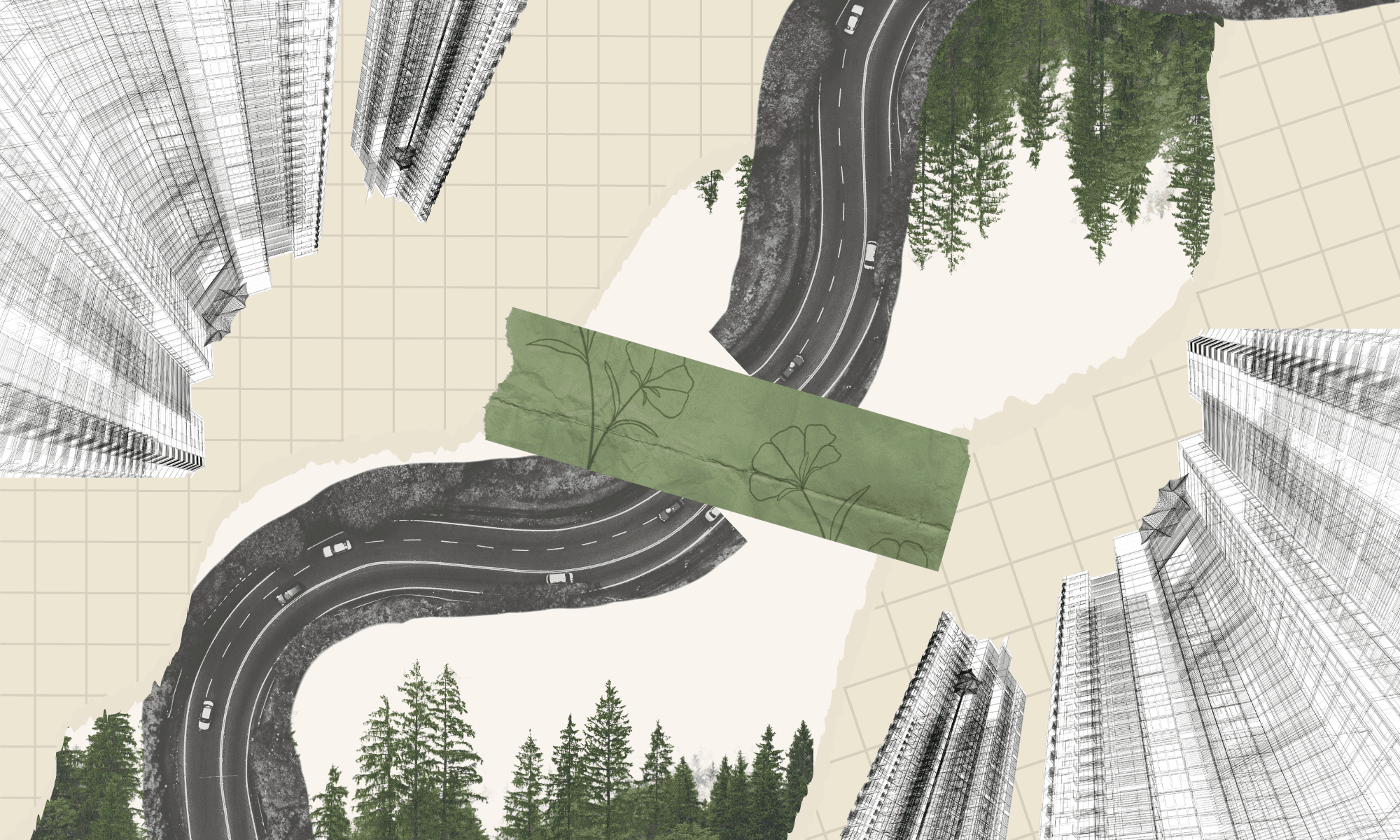
Construction of the I-90 freeway in the 1950s divided the East Central neighborhood north and south. The highway displaced residents and businesses, devastated economic opportunities, and destroyed park space. I-90 also isolated a smaller, diverse area along East 5th Avenue, leaving residents in the area especially cut off from opportunities.
The

The Community Connectors project brings together community and government partners to address the historical and ongoing harms from I-90 in the East Central neighborhood in Spokane, WA by building capacity, fostering trust, and deepening relationships in authentic ways. The project seeks to co-design solutions through an integrated and equitable approach of land use, transportation, housing and anti- displacement, economic opportunities, arts and culture, climate resilience, and community health so all residents can thrive.

The project team will work with impacted and historically marginalized communities in the 5th Avenue area to explore what reconnection looks and feels like, with regard to safety, livability, and amenities. The project will also support the process for leasing to the community key Washington Department of Transportation surplus lands that had been held for highway purposes as part of the US 395/I-90 interchange, but are no longer needed.



Mobility Legacies
Spokane, Washington
This city's local history offers critical context for the current circumstances and ongoing work to improve community conditions.
The following mobility legacies, organized according to mobility patterns that are prevalent across the United States, point to harmful policies and decisions, and subsequently, opportunities for repair and reconnection. They do not provide an exhaustive history of the city.







Ecological and Environmental Impacts


Citations


Do you want to make your own City Snapshot?
The Setting Your Stars Worksheet can get you started. See page 49 of The Journey Forward.