

MOBILITY UNBOUND
Imagine a society where everyone is free to move safely and with self-determination; where everyone flourishes socially, culturally and economically, unrestricted by structural barriers within transportation systems.
Achieving this vision of mobility unbound requires a collaborative approach that is grounded in principles of mobility justice. This framework begins with an understanding of the ways that transportation infrastructure and practices have historically excluded or harmed groups of people, particularly communities of color, in order to heal the harms of the past and build transportation systems that work for all.
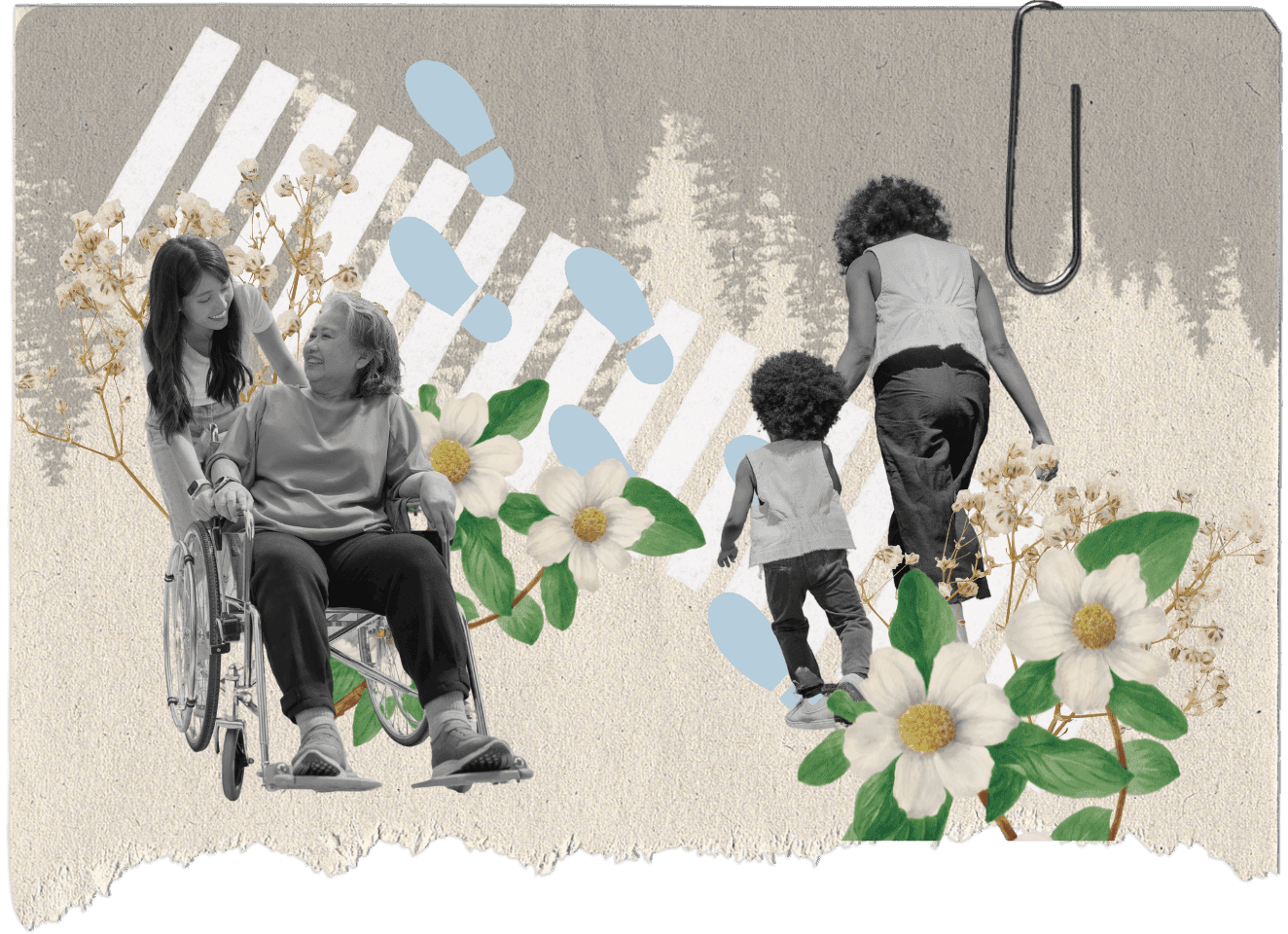

Building systems that work for everyone requires that we acknowledge the unjust histories of mobility and economic prosperity in American cities.
A mobility justice approach to transportation planning includes facilitating dialogue, funding the participation of people and community organizations who are directly affected, and establishing partnerships that lead to the shared decision-making that is necessary for meaningful repair.
By taking a mobility justice approach, government agencies and elected officials can advance transportation policies, programs, and projects that bring community-driven visions to life.
Reconnecting the Northeast Neighborhood
The Community Connectors project in Harrisonburg, VA, focused on repairing past harms and reconnecting the Northeast Neighborhood to downtown by developing a community-led plan to guide investments in the area and resourcing Black-led community organizations to lead the work.


The
The City of Harrisonburg is centrally located in the Shenandoah Valley of Virginia and has an approximate population of 52,000 [1]. The city is home to and influenced by the presence of two universities, James Madison University and Eastern Mennonite University, which have a combined student population over 20,000. Harrisonburg’s Northeast Neighborhood has a median age higher than the city as a whole, as it is not as influenced by the university student population as other areas of the city, and larger percentages of residents of color.
The Census Block Group that contains the area impacted by urban renewal has a significantly higher Black population than the city as a whole, with 24% of residents in this block group identifying as Black, compared to 7% of all city residents. In the Census Tract that includes the whole Northeast Neighborhood and adjacent housing, 34% of residents identify as Latinx, 13% as Black, 5% as Asian, and 7% as two or more races.
The Northeast Neighborhood was a haven for residents who were displaced by urban renewal efforts that destroyed the area that was once the heart of Harrisonburg’s Black community. On the west side of the neighborhood, the Mason Street corridor and surrounding area were once home to many Black-owned businesses, residences, and churches. Some of those displaced residents bought homes in the Northeast Neighborhood and others moved into housing constructed by the Harrisonburg Redevelopment and Housing Authority which still owns a considerable amount of housing in the neighborhood. Today, the Northeast Neighborhood contains assets that include the Lucy Simms Continuing Education Center, which was the historic Lucy Simms School that served Black residents prior to desegregation, and the adjacent Ralph Sampson Park.
The

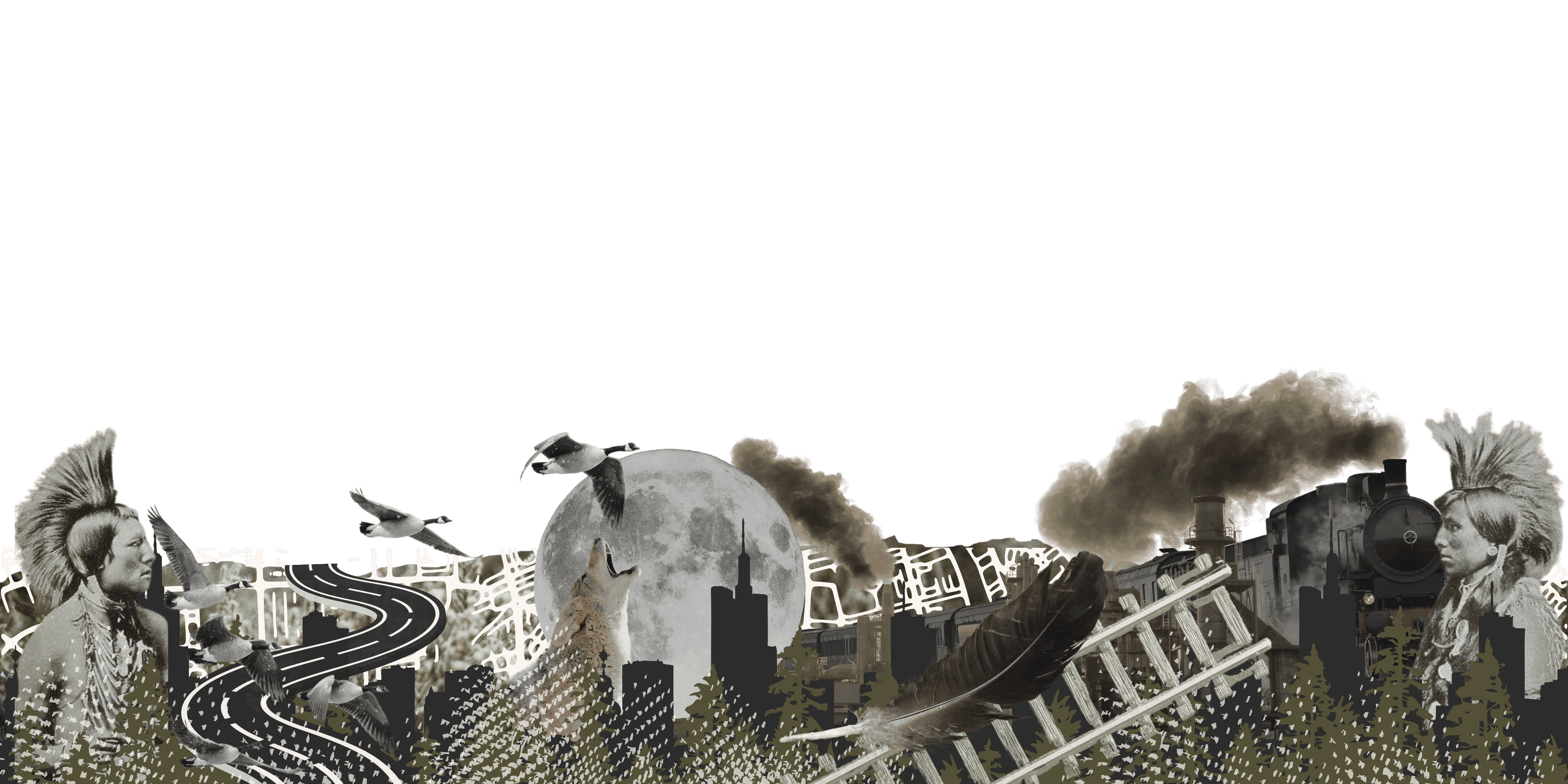
Construction of North Mason Street and urban renewal projects in the 1950s and 60s injected a car-oriented suburban commercial area that destroyed what was once the heart of the Black community and disconnected the Northeast Neighborhood from Downtown Harrisonburg. These infrastructure changes caused the displacement of many people and the loss of many Black-owned homes and businesses in the Northeast Neighborhood.
The auto-oriented development separates the Northeast Neighborhood from the historic fabric of Downtown, creating both physical and emotional disconnect between the two areas. Through displacement, urban renewal caused impacts and challenges throughout the Northeast Neighborhood and the urban renewal area still imposes an ”invisible wall” that is felt by many in the community.
The

The Community Connectors project focused on reconnecting the Northeast Neighborhood to the city, repairing past harms, and rebuilding trust. The team facilitated creation of a community-led small-area plan to guide future investments in this area and, in doing so, support the local economy and the well-being of businesses and households within the Northeast Neighborhood. The project aimed to rebuild trust between the city government and community members by resourcing community-based, Black-led organizations to build capacity and take leadership roles in community engagement for the planning process.
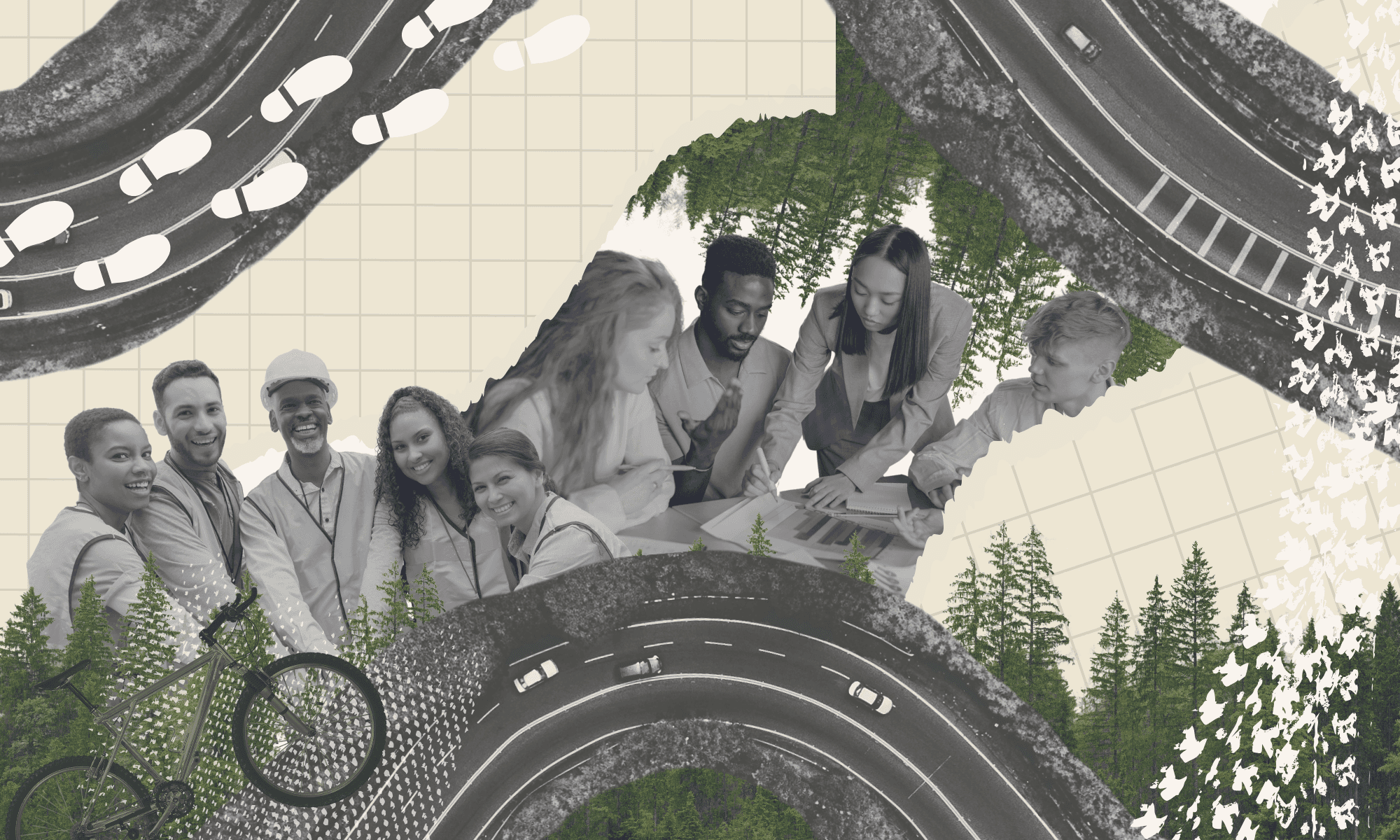
The Community Connectors project created an inclusive, community-driven planning process with the goal of establishing a Small Area Plan, which communicated baseline conditions, future vision, a gap analysis, and recommendations for achieving the vision. The Small Area Plan provides the basis for future land use and transportation planning, urban design, investment decisions in capital projects and programs, and services (such as those related to small businesses, housing, recreation, and others identified through this process) and changes to zoning laws. This plan was appended to the Comprehensive Plan, and intended to guide community leaders, residents, institutions, community-based organizations, City staff, property owners, and developers.
Rebuilding trust between Northeast Neighborhood residents and the City, repairing past harms, and reconnecting today’s Northeast Neighborhood to the heart of Harrisonburg were the most important goals. The team committed to prioritizing the needs, wants, and desires of Northeast Neighborhood community members as they scoped potential future investments in the community.
Harrisonburg, Virginia
This city's local history offers critical context for the current circumstances and ongoing work to improve community conditions.
The following mobility legacies, organized according to mobility patterns that are prevalent across the United States, point to harmful policies and decisions, and subsequently, opportunities for repair and reconnection. They do not provide an exhaustive history of the city.